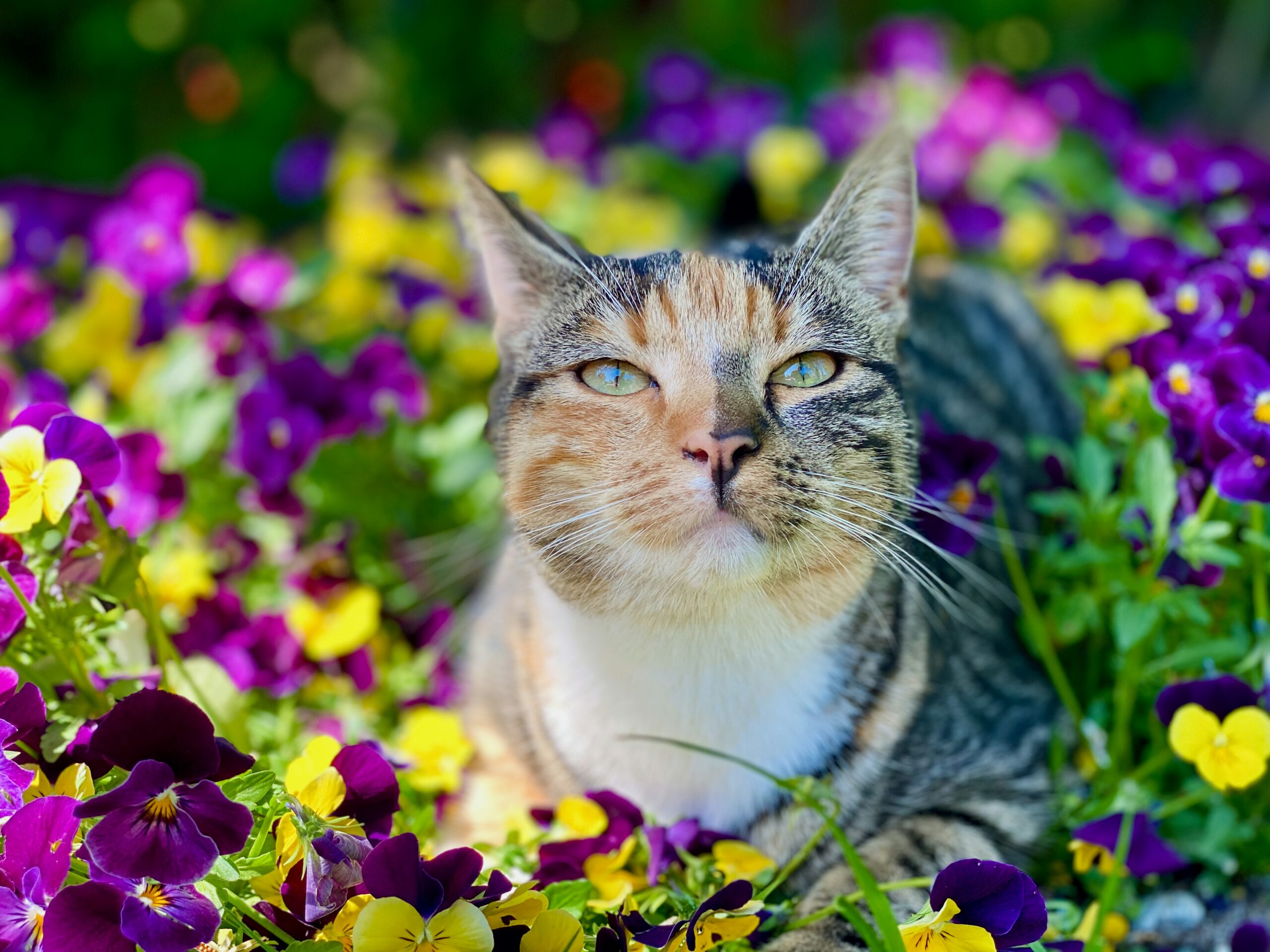

Like humans, pets can suffer from hay fever, but they typically exhibit symptoms like scratching, licking, and skin redness instead of runny noses. To help them, owners should wash pet bedding weekly, walk dogs when pollen counts are low, wipe their fur after outings, and consult a vet before administering any medication.
- Pets can suffer from hay fever triggered by environmental allergens like pollen and mould.
- Symptoms in pets differ from humans and include tiredness, reddened skin, and excessive scratching.
- A vet should be consulted to rule out other health issues and prescribe safe medication.
- Home remedies like washing pet bedding weekly and adding skin supplements to food can help.
- Owners should walk pets when pollen counts are lower, such as early morning or evening.
- Wiping a pet’s fur, paws, and muzzle after outdoor walks helps remove trapped pollen.
Do pets get hay fever?
Hay fever is an allergic reaction to pollen. It can be triggered by allergens in the air around us such as grass, tree, plant pollen and mould.
Symptoms in pets
While itchy eyes and a runny nose is often our body’s reaction to the allergy, pets suffering from hay fever show different signs and symptoms to humans.
Their seasonal symptoms may include tiredness (especially when the pollen count is high), shaking their head, reddened skin and excessive scratching or licking of paws.
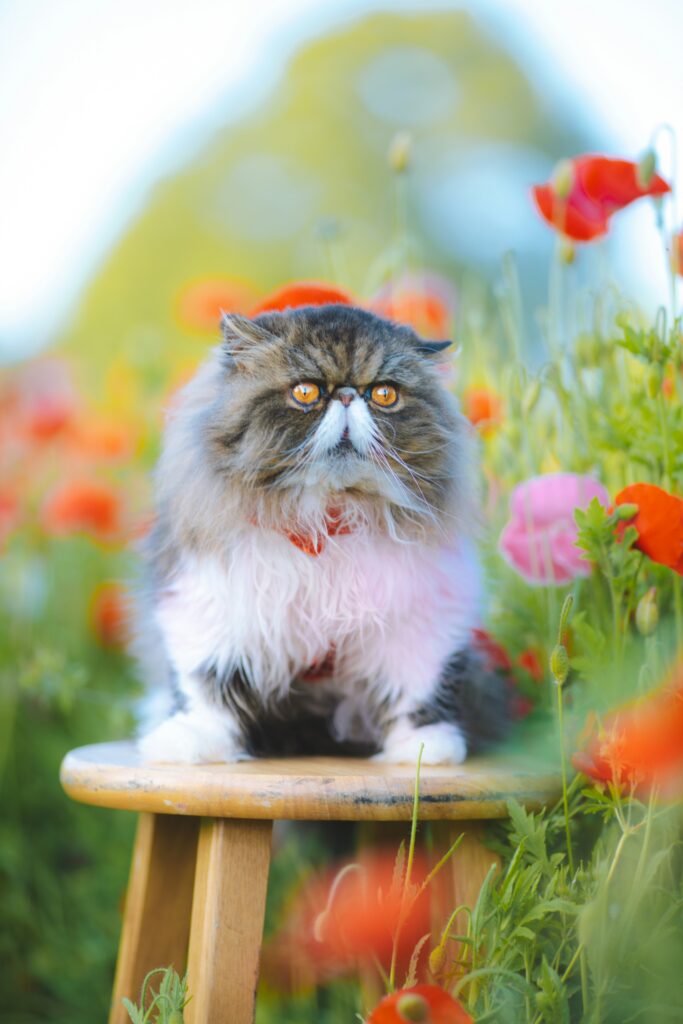
Ways to help
If you suspect your pet has hay fever, it is worth taking a trip to the vet to rule out any other health problems.
Always speak to your vet before trying home remedies but there are ways you can try to help relieve symptoms.
We spoke to Gemma Renwick, Vet Nurse at the People’s Dispensary for Sick Animals (PDSA), who provided a few top tips for helping your pet with hay fever symptoms:
- Make sure your pet’s bedding is washed and vacuumed weekly as this will help remove any pollen that has built up from their trips outside during the week.
- Your vet may recommend medication to help your pet feel more comfortable during the summer months.
- Although it may be tempting to create a home remedy when your pet is in pain, never give them medication without a prescription. This can be dangerous in the wrong doses, or for certain species.
- Also consider adding a skin supplement or oil to your pet’s food.
- When planning to venture outside, first check the pollen forecast for the day and plan your walks before dawn or early in the evening as the pollen count may be lower at these times.
- While we know dogs love to play in the grass, this can lead to their fur becoming covered in pollen, causing hours of misery later in the day. Keeping your dog on a lead near grass and wiping their fur, particularly their paws and muzzle, after every walk will help remove any tiny traces of pollen.
Further advice
For more expert PDSA advice on how to protect your pets from pollen, visit the PDSA website, external.